You finish a meal. Minutes later, your stomach is tight and puffed up. It's uncomfortable. Sometimes painful. And it happens way more often than it should. Here's the thing: bloating is your body talking to you. It's pointing at something. And when you understand what that something is, you can actually fix it instead of just waiting it out. This guide covers the real reasons bloating happens and which digestive supplements actually help, depending on your specific situation.
Quick overview — what you will learn
● Why it happens - What causes gas and bloating in the first place
● When to worry - Signs your bloating needs a doctor, not a supplement
● Best supplements -Probiotics, enzymes, fiber, and natural options
● What to check - How to pick a clean, safe supplement
Why Does Bloating Happen?
Bloating starts when gas or air gets trapped in your stomach or intestines. That trapped gas creates pressure. And that pressure is what makes your belly feel tight, full, and swollen.
But gas does not just appear out of nowhere. Something causes it. And that cause is different for everyone.
You're eating too fast - Rushing through meals means swallowing extra air. That air has nowhere to go but down. Slow down and the difference can be immediate.
Certain foods are triggering it - Beans, lentils, broccoli, onions, and fizzy drinks are the biggest culprits. They produce more gas during digestion than other foods. Not because they're bad for you, but because your gut has to work harder to break them down.
You might have a dairy sensitivity - A lot of adults struggle to digest lactose. If bloating shows up regularly after dairy, that's worth paying attention to.
Your gut bacteria may be off - Your digestive system is home to trillions of bacteria. When the balance between helpful and harmful bacteria shifts, digestion gets messy. Gas builds up. Bloating becomes a pattern.
Your body may not make enough digestive enzymes - Digestive enzymes break down what you eat into pieces your body can absorb. When there are not enough of them, food sits in the gut longer than it should. It ferments. That fermentation produces gas.
Stress is sneaking in - Your gut and your brain are directly connected. When you're anxious or under pressure, your digestive system slows down. Food moves sluggishly. Gas builds up. Bloating follows.
Constipation is the cause - When stool backs up in your colon, it takes up space and traps gas. This type of bloating tends to feel heavier and sits lower in the belly.
When Is Bloating a Red Flag?
Feeling bloated after a big meal? Totally normal. Feeling bloated every single day? That's different. If bloating is constant or comes with any of these signs, see a doctor before trying any supplement:
● Unexplained weight loss
● Blood in your stool
● Sharp or severe stomach pain
● Bloating with no obvious food trigger
● Nausea or vomiting alongside bloating
These could point to IBS, celiac disease, inflammatory bowel disease, or something else that needs proper diagnosis first. Supplements can't fix those on their own.
So, Can Supplements Actually Help?
Yes. But only when you pick the right one. That's the part most people skip. They grab whatever's popular on the shelf and hope for the best. Sometimes it works. Often it doesn't, because they're treating the wrong problem.
A fiber supplement taken for gas-related bloating, for example, can actually make the gas worse. Knowing your trigger is everything.
Here's a simple breakdown of what works for what:
|
Supplement |
Best For |
What It Does |
|
Probiotics |
Gut imbalance, irregular digestion |
Restores healthy bacteria in the gut |
|
Digestive Enzymes |
Bloating after meals |
Helps break down fats, protein, and carbs |
|
Psyllium Fiber |
Constipation-related bloating |
Adds bulk and keeps digestion moving |
|
Ginger |
Nausea, slow digestion |
Speeds up stomach emptying, calms the gut |
|
Peppermint |
Gas, cramps, IBS-linked bloating |
Relaxes intestinal muscles, releases gas |
|
Cinnamon |
Sluggish digestion, mild discomfort |
Anti-inflammatory support for the gut |
Probiotics: Your Gut's Best Friend
Probiotics are live, beneficial bacteria. They work by keeping your gut microbiome in balance. When that balance tips, your digestion pays the price. Food does not move through properly. Gas builds up. You feel bloated, sluggish, and uncomfortable.
The two most studied strains for gut health are Lactobacillus and Bifidobacterium. Both have solid research behind them for reducing bloating and improving how regularly your digestion works.
A few things to know when shopping for probiotics:
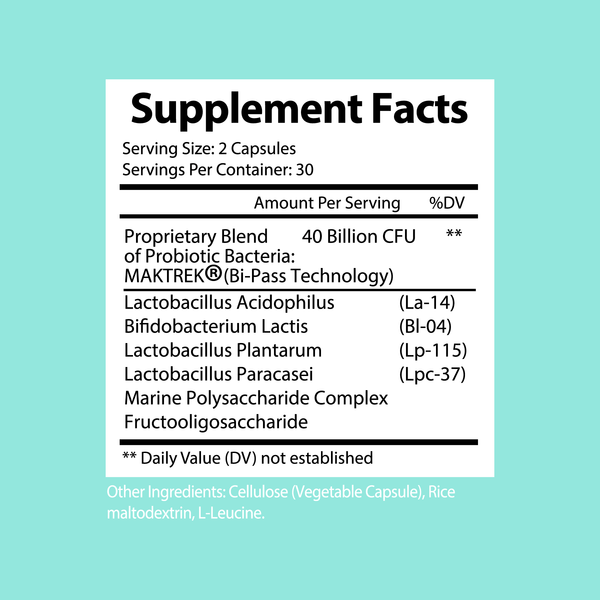
● Multiple strains work better than just one
● Look for at least 10 billion CFU per serving
● Some probiotics need refrigeration to stay active
● Give them two to four weeks before judging results
Probiotics work best when bloating is tied to antibiotic use, gut bacteria imbalance, or general digestive irregularity.
Digestive Enzymes: When Food Isn't Breaking Down Right
Your body makes digestive enzymes naturally in the pancreas and small intestine. Their job is to break down what you eat into small enough pieces that your gut can absorb them. When you don't make enough food, it passes through partially undigested. Bacteria in the lower gut then ferment that undigested food and produce gas. That gas is what bloats you.
Digestive enzyme supplements step in and do what your body is not doing enough of. They're especially helpful when you feel heavy, gassy, or bloated after eating high-fat or high-protein meals. Take them at the start of a meal for the best results.
Fiber Supplements: Slow and Steady for Constipation and Bloating
Psyllium husk is the go-to fiber supplement for bloating caused by constipation. It absorbs water in the gut, adds bulk to stool, and helps everything move through more smoothly. When your digestive system moves regularly, trapped gas has less room to build up. The bloating eases naturally.
Psyllium is gentler than most other fiber options. But it's still important to start slow. Half a dose, a full glass of water, and patience. Build up gradually over a week or two. If you jump straight to full doses, you may feel more bloated before you feel better.
Ginger, Peppermint, and Cinnamon: Simple, Natural, Effective
These three have been used for gut health for centuries. And there is real science behind all of them.
● Ginger speeds up stomach emptying. It helps food move out of the stomach faster, which means less time for gas to build up. It also reduces nausea and general gut discomfort. A cup of fresh ginger tea after a meal is one of the easiest remedies there is.
● Peppermint contains a compound called L-menthol. It relaxes the smooth muscles lining your intestines, allowing trapped gas to pass more easily. Peppermint oil capsules are particularly well-studied for IBS-related bloating.
● Cinnamon supports digestion through its natural anti-inflammatory properties. It's a mild, accessible option for people who experience slow digestion and general discomfort after eating.
For mild or occasional bloating, start with one of these three before anything else.
How to Pick a Good Supplement?
The supplement market is huge and mostly unregulated. That means quality can vary a lot between brands. Here's what to look for:
Third-party testing - An independent lab has verified the product's purity and potency. Look for NSF or USP certification on the label.
A short ingredient list - Fillers, artificial sweeteners, and preservatives can irritate a sensitive gut. Fewer ingredients almost always means a cleaner product.
Specific strains or enzymes are listed - A good probiotic label names its strains. A good digestive enzyme supplement tells you exactly which enzymes are included and at what strength.
Check for interactions - Some supplements interact with prescription medications. If you take anything regularly, run it by your pharmacist first.
FAQs
1. What causes bloating after eating?
Usually eating too fast, gas-producing foods, dairy sensitivity, or low digestive enzyme production. If it happens after every meal, regardless of what you eat, a gut bacteria imbalance or food intolerance may be involved.
2. Do probiotics help with bloating?
Yes, when bloating is linked to bacterial imbalance or irregular digestion. Strains like Lactobacillus and Bifidobacterium are the most researched. Most people see results after two to four weeks of daily use.
3. What is the best supplement for bloating?
Depends on the cause. Probiotics for gut imbalance, digestive enzymes for poor food breakdown, psyllium fiber for constipation, ginger or peppermint for cramping and mild discomfort.
4. How long before supplements start working?
Ginger and digestive enzymes can help within a few days. Probiotics and fiber supplements usually need two to four weeks of consistent use to make a noticeable difference.
5. Can too much fiber make bloating worse?
Yes, temporarily. Your gut needs time to adjust to added fiber. Start with half the recommended dose, drink plenty of water, and increase slowly over one to two weeks.
Bloating Doesn't Have to Be Your Normal
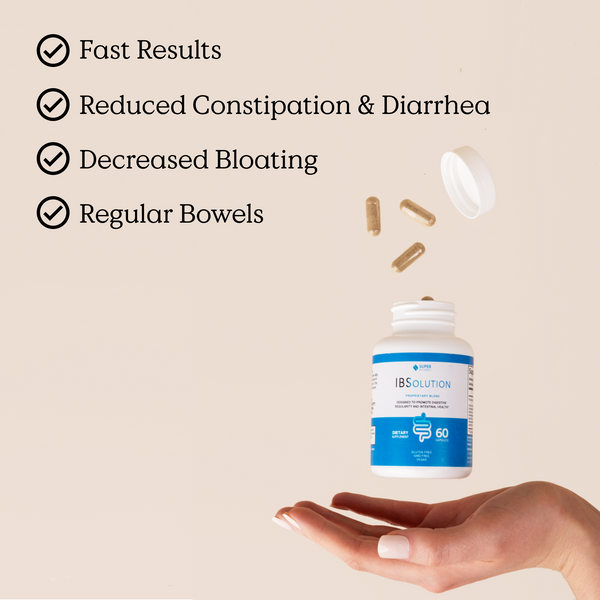
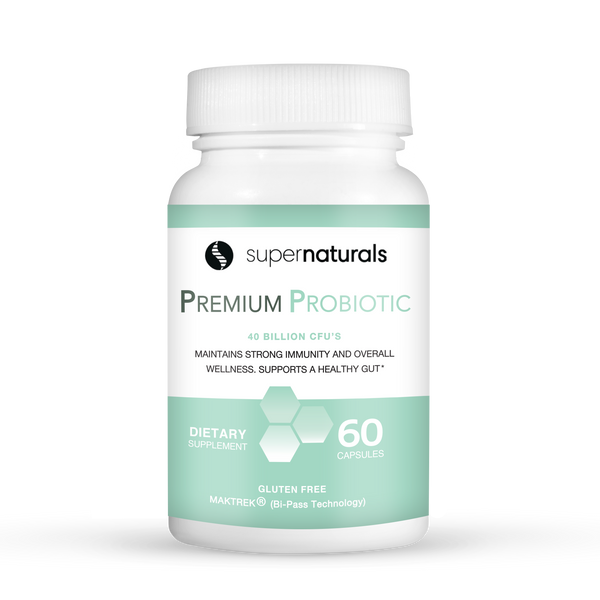
You shouldn't have to plan your day around how your stomach feels. At Super Naturals Health, we know how much daily bloating can wear you down. That's why our digestive supplements, including targeted probiotics, digestive enzymes, and natural gut health formulas, are built clean, tested properly, and designed to actually work.
No fillers. No fluff. Just real support for how your gut is supposed to feel. Browse our full range at supernaturalshealth.com and find the right supplement for what your body is telling you.